

Why Peruvian Families Have the Right to Choose Their Children’s Education
Understanding homeschooling, alternative education, and the legal support available to families in Peru
Introduction
Education is not a one-size-fits-all experience, and increasingly, families across Peru — Peruvian nationals, foreign residents, and mixed households alike — are exploring paths beyond the traditional classroom. As an attorney practicing education law in Peru, I want to open this conversation with a historical lesson that, to me, captures exactly why questioning “the system” is not only legitimate but sometimes necessary for progress.
Alan Turing: A Lesson in Why Institutions Don’t Always Deserve Blind Deference
In 1952, Alan Turing — the mathematician whose work laid the foundations of modern computing and artificial intelligence — was prosecuted under British law for his homosexuality. Given the choice between imprisonment and a court-ordered hormonal treatment intended to suppress his sexuality, Turing accepted the latter. The treatment damaged his health and his ability to live openly with the person he loved. Two years later, in 1954, he died, in what is widely believed to have been a suicide.
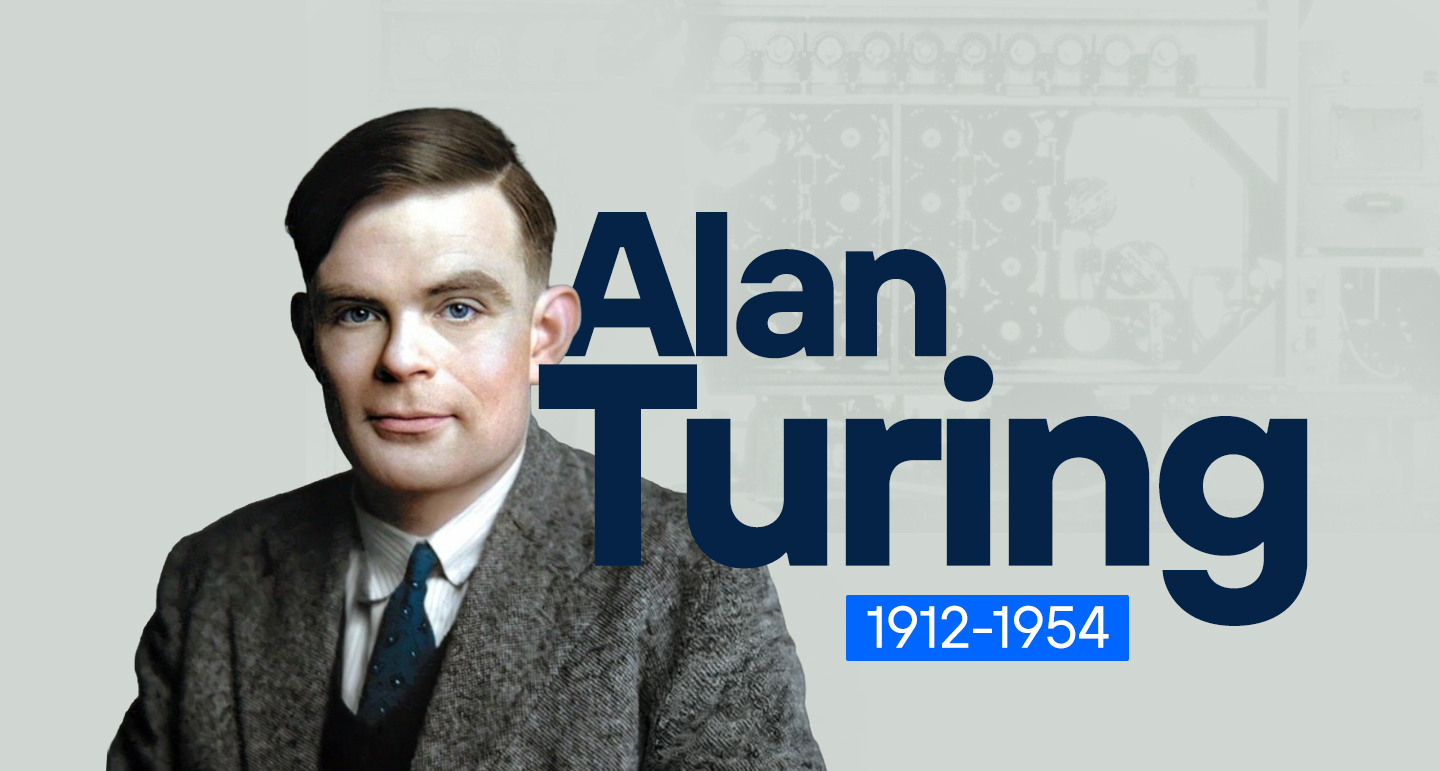
The very institutions and legal systems that owed Turing recognition for one of the most important intellectual contributions of the twentieth century instead punished him for who he was. I share this not as a detour, but as a principle: the systems we build — legal, educational, or social — are not infallible simply because they are established. They deserve scrutiny, reform, and, when they fail people, change.
What Does It Mean to Homeschool?
At its core, homeschooling reflects a family’s decision not to grant the traditional school system more authority, care, or responsibility over their children’s development than the family itself is prepared to provide. It is not a rejection of education — it is an assertion that a family can, and in some cases should, take direct ownership of how their children learn and grow.
Why I Support Educational Innovation — For Schools and Families Alike
I am a strong advocate for innovation and restructuring within education, and I believe this applies on two fronts simultaneously. First, our education system needs continuous renewal to remain relevant to the cognitive, emotional, and developmental needs of children. Second, the family system itself often needs restructuring — families must be willing to evolve, not just institutions.
I support homeschooling. I support other alternative education models beyond homeschooling. And I support the traditional school system — provided it remains open to genuine renewal. These are not contradictory positions; they reflect a belief that no single model holds a monopoly on what is best for every child.
A Healthy Family Is Not a Perfect Family
A common misconception is that a “good” family is one without problems. I disagree. A good family is one that educates and loves its children — and that means facing problems honestly rather than ignoring them or reacting impulsively at the first sign of difficulty. Strength, in a family, looks like clear-eyed acknowledgment of challenges followed by deliberate, appropriate action — not denial, and not panic.
Society Deserves Compassion and Accountability — Not Unconditional Obedience
I do not believe society, as an institution, deserves unconditional or automatic respect. If it did, there would be no room for innovation or meaningful change — as Turing’s story illustrates all too well. What society does deserve is recognition of what it does well, compassion for its shortcomings, constructive engagement to improve it, and respect earned through that ongoing process — not blind, unquestioning loyalty.
Not Every Family Is Automatically Ready to Homeschool
It is important to be honest here: simply being a family, or having children — even many children — does not automatically mean a family is prepared to homeschool. Our biology drives us toward having children, but biology alone does not guarantee alignment with the cognitive, emotional, physical, and mental needs that raising and educating a child actually requires.
This is why I support families who choose homeschooling or any alternative educational path — on the condition that they continuously and honestly evaluate their goals, their methods, and their capacity to reach those goals, always safeguarding the mental, physical, and economic well-being of every member of the family.
My Commitment: Legal Guidance for Every Educational Path in Peru
I am Zynhia Barrios and, as an attorney in Peru, I work with Peruvian families, foreign families residing in Peru, and any household navigating Peru’s education system — whether they are pursuing homeschooling, alternative education, or engagement with traditional schooling that needs legal support. My role is to ensure that families who choose to take an active, unconventional role in their children’s education can do so with full legal clarity, protection, and confidence.
If you are considering homeschooling or an alternative education path for your children in Peru, and want to understand your legal rights and obligations, I invite you to reach out for personalized legal guidance.

